
What is it about contrast that captivates us? It’s not mere magic but a calculated dance of design elements, a play where colors, materials, and textures intertwine to create a symphony for the senses. As we explore the realm of interior spaces, understanding the role of contrast becomes paramount. It’s an essential tool that can transform any room, adding depth, character, and an engaging feel that speaks to our visual and emotional appetite. Today, we welcome you on a journey through the art of contrast, where interiors come alive in vibrant harmony. Let’s begin.
Color: The Soul of Space
In our quest for a visually appealing interior, few elements wield the power of color. Colors can create illusionary space, set a mood, and define a room with their mere presence. More than just a visual stimulant, color is the unsung hero that breathes life into materials and textures.
The art of contrast through color isn’t about clashing hues but rather a delicate balance that evokes emotion and intrigue. Think of a deep navy wall contrasted with pristine white trims, where the duality creates a sophisticated tension. Or consider the playful harmony of pastel tones against a bold primary shade, where contrast becomes a bridge between serenity and vibrancy.
As designers, we must embrace the psychology of color, understanding how shades can transform a room‘s ambiance. The contrast between warm and cool colors, such as pairing a fiery orange with a calming teal, can invigorate a space, adding layers of interest.
Incorporating contrast in color doesn’t mean abandoning cohesion. By selecting a core palette and introducing accents through furniture or art, we can achieve a design that’s both cohesive and dynamically contrasting. This creates a balanced narrative, where every element sings in harmony, inviting the dweller into a world of visual delight.
Material Selection: The Backbone of Design
While colors may be the first to catch our eye, the true depth of a room lies in the materials chosen. The interplay between different materials not only adds texture but enhances the overall character of a space. It’s about crafting a dialogue between the smooth and rough, the shiny and matte.
Consider the timeless elegance of a polished marble countertop. When paired with rustic wooden cabinets, the contrast becomes palpable, creating a blend of luxury and earthiness. The tactile experience of feeling cool stone juxtaposed with warm timber invites a deeper connection to the space.
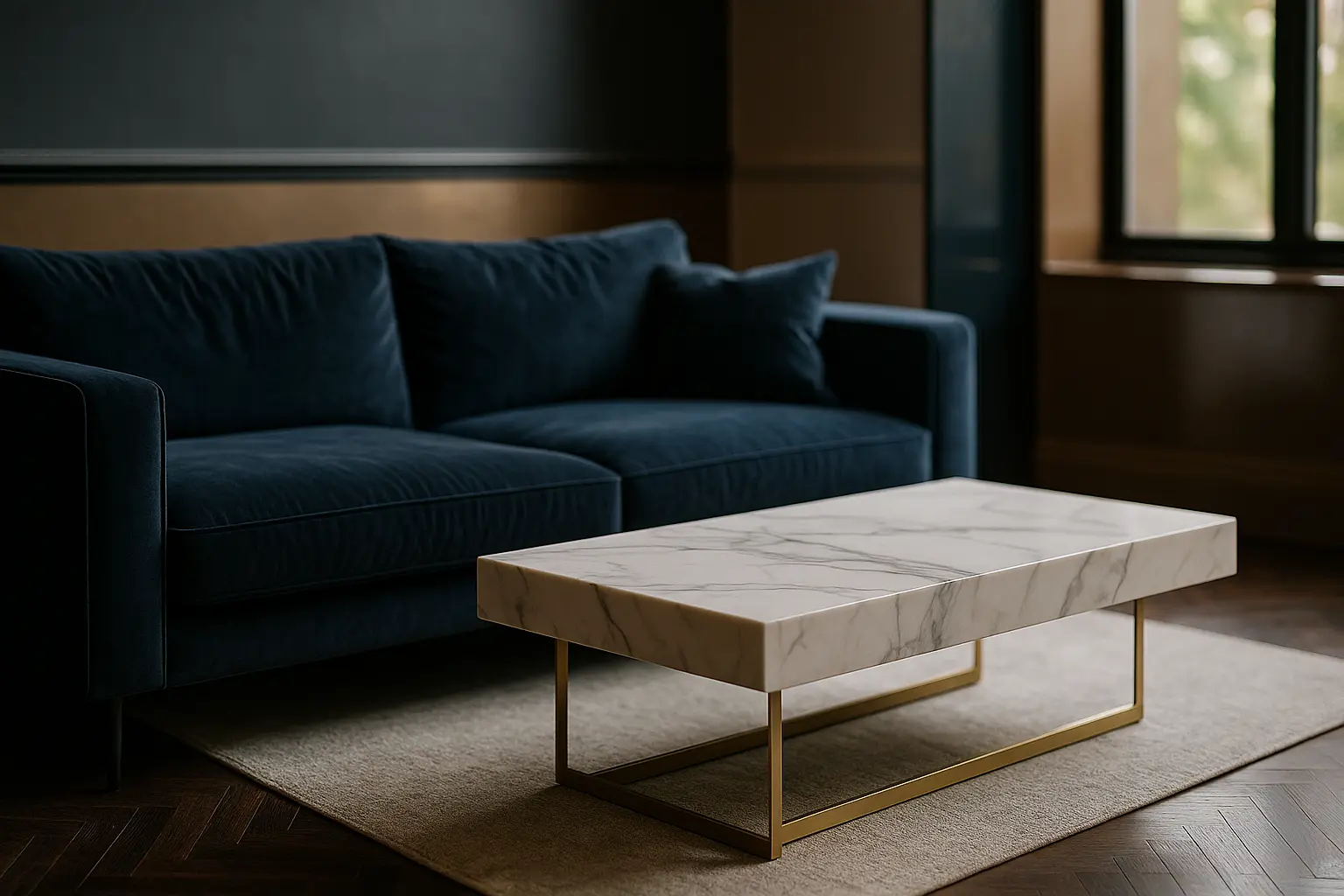
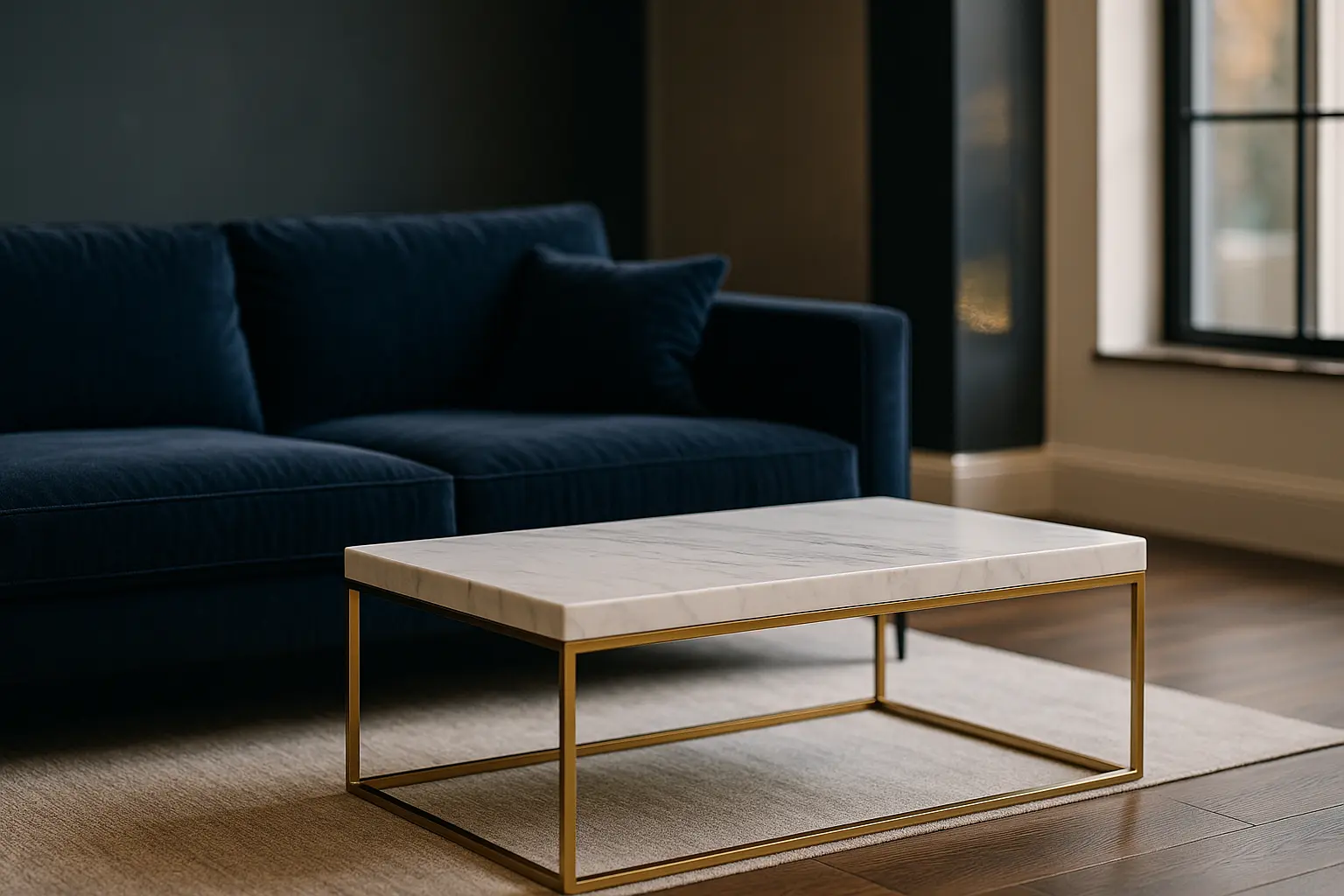
Modern interior design revels in the fusion of industrial and organic materials. Picture a sleek metal coffee table set against a plush velvet sofa. This juxtaposition of hard and soft materials creates a visual tension that is both striking and comforting.
As we design, we must remember that materials are more than functional components. They are storytellers, whispering tales of creation and craftsmanship. By thoughtfully combining materials, we can construct an interior narrative rich in contrast, balance, and intrigue.
The Texture of Light: Illuminating Contrast
Lighting is often the unsung hero in the world of interior design. Beyond its practical function, it holds the power to create or dissolve contrast. Natural light streaming through a window can accentuate the boldness of colors and the intricacies of textures. Conversely, strategically placed artificial lighting can highlight or soften the features within a room.
The interplay of light and shadow is where textures come to life. Consider how a woven rug under soft ambient light casts gentle shadows, creating depth. Or imagine the dance of reflections on a glossy surface under a focused spotlight, where every texture becomes a canvas for illumination.
Incorporating a variety of lighting sources is essential to achieving a well-balanced contrast. A combination of overhead fixtures, task lighting, and accent lights allows for dynamic light layering. This not only enhances the visual appeal but also adds complexity to the space.
As designers, we must embrace the choreography of light, understanding its role in enhancing or diminishing contrast. The right lighting can transform a mundane room into an engaging visual experience, making it an indispensable element in the play of contrasts.
Balancing Act: Harmonizing Elements
Achieving balance in interior design is akin to orchestrating a symphony. Each element, from color to texture, must play its part, contributing to a harmonious whole. Contrast, although dynamic, requires a careful hand to ensure that spaces feel cohesive rather than chaotic.
The key lies in proportion. While it’s tempting to go bold with contrast, restraint is essential. A single statement piece, like a vibrant red armchair, can serve as a focal point, drawing the eye and providing balance against a neutral backdrop. Alternatively, subtle contrasts, such as the matte finish of a concrete floor against glossy painted walls, offer a sophisticated touch.
Textures also play a significant role in balancing contrast. A room filled with smooth, uniform surfaces can feel sterile. Introducing varied textures, like the softness of a plush carpet or the roughness of a brick wall, adds warmth and interest.
Ultimately, the goal is to create a space where every element, from the lighting to the materials, serves to accentuate the beauty of contrast. This balance allows for a visual journey that is both engaging and serene, inviting inhabitants to explore and appreciate every nuance.
As we draw the curtains on our exploration of contrast in interior design, we are reminded of the profound impact that colors, materials, and textures have on our spaces. The dance of contrast is a delicate art, one that requires a thoughtful approach to achieve harmony.
In our pursuit of dynamic interiors, let us remember that contrast is not about opposition but about balance. It invites us to create environments where every element contributes to a cohesive story, where every room is a testament to the beauty of diversity.
Let us embrace the power of contrast, allowing it to guide us in our design endeavors. For in this balance of differences lies the essence of compelling and memorable spaces.
FAQ
How can contrasts in colors enhance my living space?
Utilizing contrasting colors can create visual interest and depth in a room. For instance, pairing neutral shades with bold, vibrant colors can make certain elements stand out, contributing to an energetic and dynamic atmosphere.
What materials work best when playing with contrasts in interior design?
Mixing different materials can elevate the texture and appeal of a space. Combining materials like wood and metal, or glass and stone, can create a balance between warmth and sleekness, resulting in a harmonious yet striking decor.
How do textures contribute to the overall aesthetic of a room?
Textures add layers and complexity to a room’s design. By juxtaposing smooth surfaces with rough or patterned ones, you can create a tactile experience that draws the eye and adds an element of surprise to the space.
Can contrasting elements be used in small spaces without overwhelming them?
Absolutely! In smaller areas, using contrasting elements can actually make the space feel larger. Opt for a few bold contrasts and keep the rest of the decor minimal to maintain balance and avoid a cluttered look.
What are some practical tips for incorporating contrast in a minimalist design?
In minimalist interiors, contrasts can be introduced subtly. Choose a limited color palette and incorporate contrast through accent pieces like throws or cushions. Additionally, playing with light and shadow can add a nuanced layer of contrast while maintaining a clean aesthetic.