
In the fast-paced rhythm of today’s world, more individuals are carving out their personal niches to work from home, fostering both productivity and creativity. But creating a home office that inspires and drives focus isn’t just about positioning a desk in a quiet corner—it’s about orchestrating a symbiotic relationship between creativity, comfort, and efficiency. Let’s delve into this transformation and explore how an efficiently designed workspace can elevate both our professional output and personal satisfaction.
Designing the Ideal Home Workspace
Designing a home office isn’t just about aesthetics; it’s about creating a space tailor-made for productivity and comfort. As we set the stage for our professional endeavors, we must consider how the design influences our workflow and mood. When we align functionality with form, we craft a workspace that becomes a natural extension of our ambitions.
Curating the Right Furniture
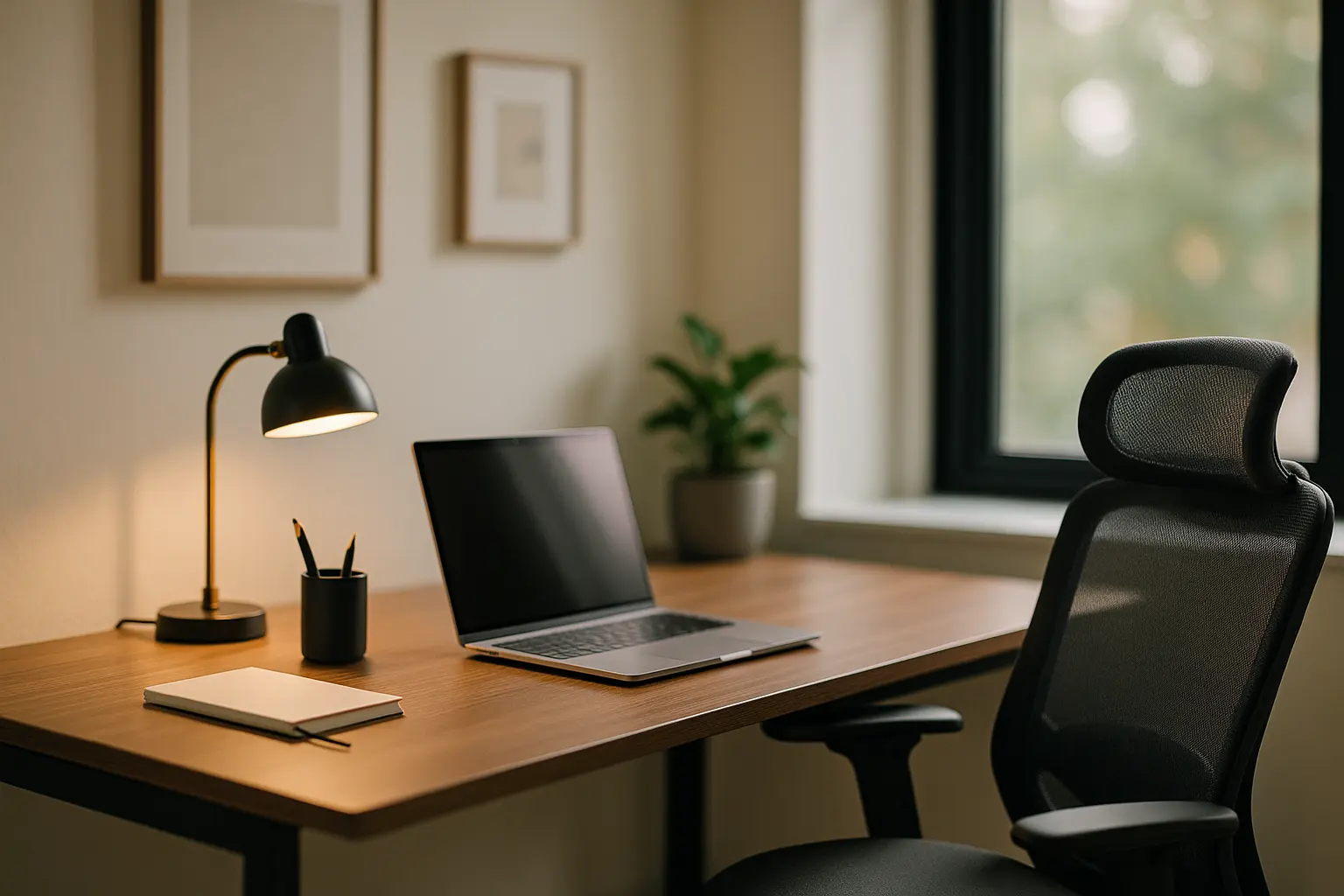
Choosing ergonomic furniture is paramount for comfort and well-being. An adjustable chair supports our back, while a height-adjustable desk allows us to alternate between sitting and standing, promoting better posture and circulation. The choice of furniture not only affects our physical health but also impacts our focus and creativity.
Considering the Layout
Space layout can significantly affect how we work. A clutter-free room encourages a clear mind. By organizing tools and supplies efficiently, we reduce distractions, allowing us to harness our full potential. The desk should be strategically positioned to optimize light and limit interruptions, creating an environment conducive to deep work.
Letting Natural Light In
Natural light is an often underrated element in workspace design. It not only lights up the room but also elevates our mood and energy levels. Positioning the desk near a window can help us harness daylight, which can boost our creativity and motivation. Access to natural light has been shown to improve sleep quality and overall well-being.
Ergonomics and Its Importance in Productivity
Ergonomics isn’t just a buzzword; it’s a critical component of creating a home office that supports sustained productivity and comfort. By focusing on ergonomic principles, we can design a workspace that reduces strain and enhances efficiency.
The Role of Ergonomics
Ergonomic design considers the interaction between the work environment and the worker. It involves adjusting the workspace to fit our needs, ensuring that the furniture and tools we use support our body and workflow. A well-appointed ergonomic setup minimizes the risk of injury and fatigue, allowing us to maintain focus over extended periods.
Tips for an Ergonomic Workspace
- Adjust your chair so your feet are flat on the floor, and your knees are at a 90-degree angle.
- Position the monitor at eye level to avoid neck strain.
- Keep frequently used items within arm’s reach to minimize unnecessary movement.
Incorporating ergonomic elements into our home office design helps us work smarter, not harder. It supports our health and, in turn, our ability to produce high-quality work.
Creating a Personal and Inspiring Ambiance
Our workspace should reflect our personality and inspire us each day. By infusing personal elements and thoughtful design choices, we can create a home office that energizes and motivates.
Personal Touches and Decor
Infusing our workspace with elements that inspire us can significantly enhance creativity. Framed artwork, plants, and favorite quotes can serve as gentle reminders of our goals and passions. These personal touches not only make the space uniquely ours but also create an environment where inspiration thrives.
Lighting for Ambiance
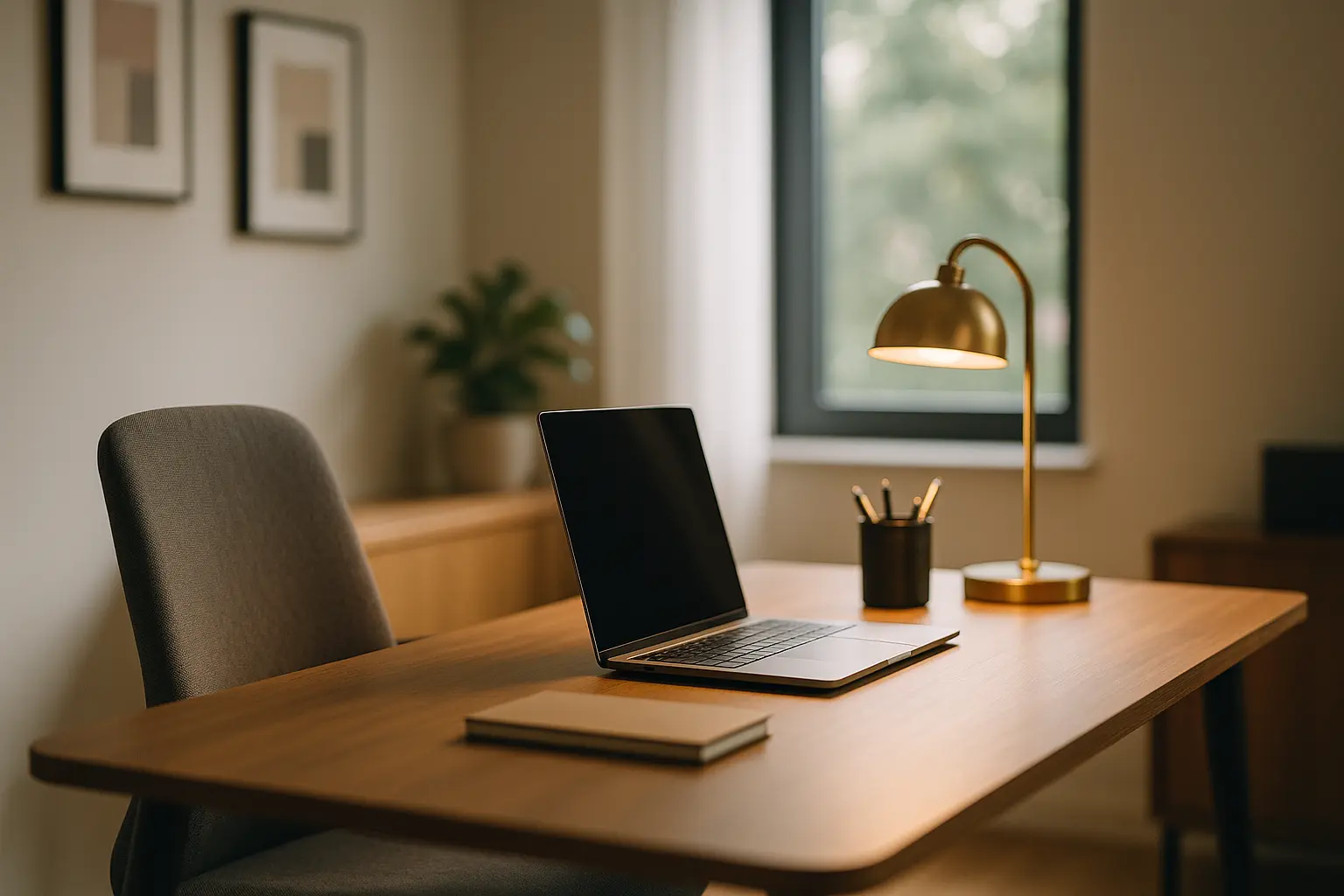
While natural light is crucial, ambient lighting plays a role in setting the mood. Consider layering lighting with desk lamps and overhead fixtures to create a versatile atmosphere. Warm lighting can create a cozy ambiance, while brighter lights can improve focus and alertness.
By blending functionality with personal touches, we craft a space that reflects who we are and what we aspire to achieve. This balance between personalization and productivity makes our home office a place we love to work in.
As we journey through designing an inspiring and productive home office, we’ve uncovered the layers that contribute to a truly functional and motivating workspace. We’ve considered ergonomics, embraced natural light, introduced personal elements, and curated furniture that supports our well-being. Each choice we make in our workspace design is a step towards crafting an environment where our ideas flourish and our work becomes more than just a task.
Let’s move forward with the knowledge that our home office is not just a room—it’s a canvas on which we paint our success and fulfillment. Embrace your creative instincts, prioritize comfort, and let your workspace inspire your best work yet.
https://www.youtube.com/watch?v=_jb9s87Trv0
FAQ
How do I choose the right location for my home office?
Selecting the ideal spot for your home office depends on both your personal preferences and the available space. Opt for a quiet corner that minimizes distractions, ensuring adequate natural light, and offers enough room to accommodate your work essentials. Consider a space that can be easily separated from household activities and offers a sense of privacy.
What are some essential furniture pieces for a productive home office?
Core furniture items for a home office include a comfortable chair, a sturdy desk, and appropriate storage solutions. Ergonomics is key: invest in a chair that supports good posture and a desk at the right height to prevent strain. Shelves, filing cabinets, or drawers can help keep your workspace organized and clutter-free.
How can lighting affect my productivity in a home office?
Lighting plays a crucial role in maintaining productivity levels. Natural light is ideal as it boosts mood and reduces eye strain. Position your desk near a window if possible. Supplement with adjustable task lighting to provide adequate brightness during evening hours or on cloudy days, avoiding glare on screens.
What tips can help maintain a clutter-free workspace?
To maintain a tidy home office, regularly declutter by sorting through papers and organizing digital files. Utilize storage solutions like baskets, trays, or drawer dividers to keep items in their designated places. Implement a filing system for documents, and routinely evaluate what you really need on your desk to sustain a minimalist environment.
How do I personalize my workspace to inspire creativity?
Personalizing your home office can enhance creativity and motivation. Incorporate elements that reflect your personality and interests, such as artwork, plants, or inspirational quotes. Opt for a color scheme that energizes or soothes you, and consider adding a vision board or elements related to your professional goals as daily inspiration.