
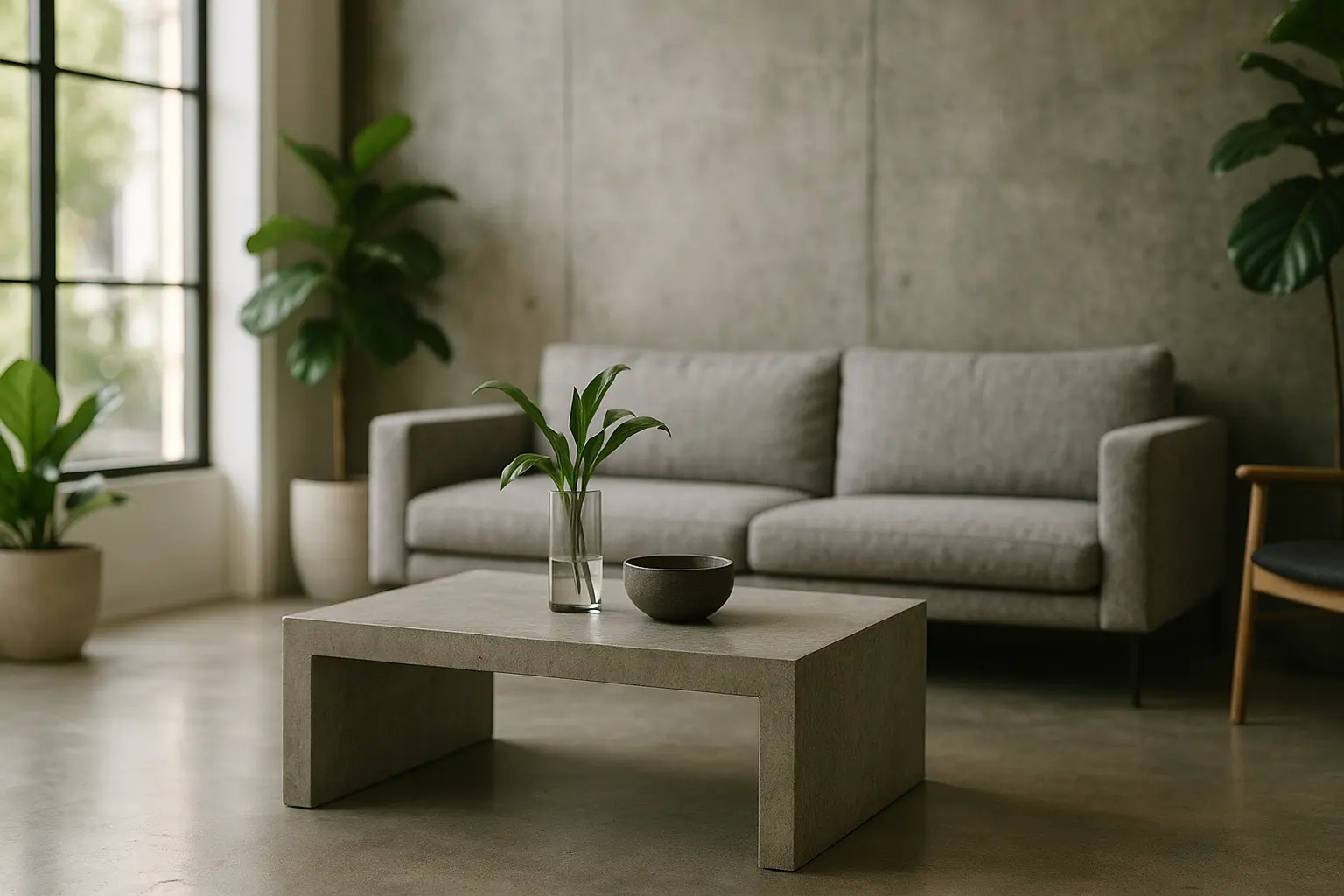
In a world where design constantly evolves, one material stands out for its versatility and understated beauty: concrete. Often associated with urban landscapes and industrial settings, concrete has transcended its traditional boundaries, making its way into the very heart of our homes. As we explore this journey, we invite you to reimagine your interior spaces with the timeless appeal of concrete. Whether it’s your living room or a minimalist kitchen, concrete offers endless possibilities to create sleek and modern aesthetics, blending seamlessly with various materials, including wood. With every touch and texture, concrete can redefine your space with elegance and innovation.
Elevate Your Walls with Polished Concrete
Transforming your walls with polished concrete can inject a sense of modernity and sophistication into any room. Unlike traditional paint or wallpaper, concrete offers a unique tactile quality that is both raw and refined.
Aesthetic Appeal and Versatility Concrete walls can serve as a neutral backdrop, allowing other design elements to shine. The subtle grey tones can complement an array of colors, providing a balanced canvas for personal expression. The material’s innate texture adds depth and character, making each wall a work of art in its own right.
Maintenance and Durability One of the reasons concrete is becoming a favored choice in interior design is its durability. Unlike other materials that may require frequent touch-ups, polished concrete walls are remarkably low maintenance. A simple wipe-down can keep them looking fresh and immaculate, ensuring they stand the test of time.
Integration with Other Materials Concrete’s adaptability is further accentuated when paired with wood or metal accents. For instance, a concrete wall with timber shelving creates a harmonious blend of natural and industrial elements. This fusion not only enhances the room’s visual appeal but also fosters a sense of warmth and comfort.
Incorporating polished concrete into your walls is not just a design choice; it’s a statement of modern living. It signifies an appreciation for materials that are both practical and aesthetically pleasing, making it a worthwhile investment for any home.
Crafting Contemporary Spaces with Concrete Floors
Concrete floors are the unsung heroes of interior design. Their sleek finish and versatility offer a modern alternative to traditional flooring materials. From living areas to kitchens, concrete floors provide a seamless flow that enhances the spatial dynamics of any room.
Design and Functionality Concrete floors embrace both form and function. Their minimalist appeal lies in their simplicity, crafting an uncluttered and elegant look. With advancements in polishing techniques, these floors can range from a matte finish to a high gloss, catering to diverse design preferences.
Endless Design Possibilities Concrete’s true beauty lies in its adaptability to various designs. By incorporating decorative aggregates, staining techniques, or intricate patterns, one can achieve a personalized look that reflects modern sensibilities. These customizations can elevate the floor from a mere surface to an integral aspect of your home’s aesthetic.
Practical Benefits Beyond aesthetics, concrete floors offer practical advantages. Their resilience makes them suitable for high-traffic areas, and their thermal properties assist in maintaining a comfortable climate, especially when paired with underfloor heating systems.
In conclusion, concrete floors are more than just a material choice; they represent a commitment to modern design and sustainable living. Their ability to marry style and substance makes them an ideal candidate for those seeking to create impactful spaces.
Innovative Ideas for Incorporating Concrete Elements
Beyond walls and floors, concrete can be creatively utilized in various aspects of interior design. This material‘s innate versatility opens up a plethora of options for those wishing to infuse their homes with a touch of the modern and industrial.
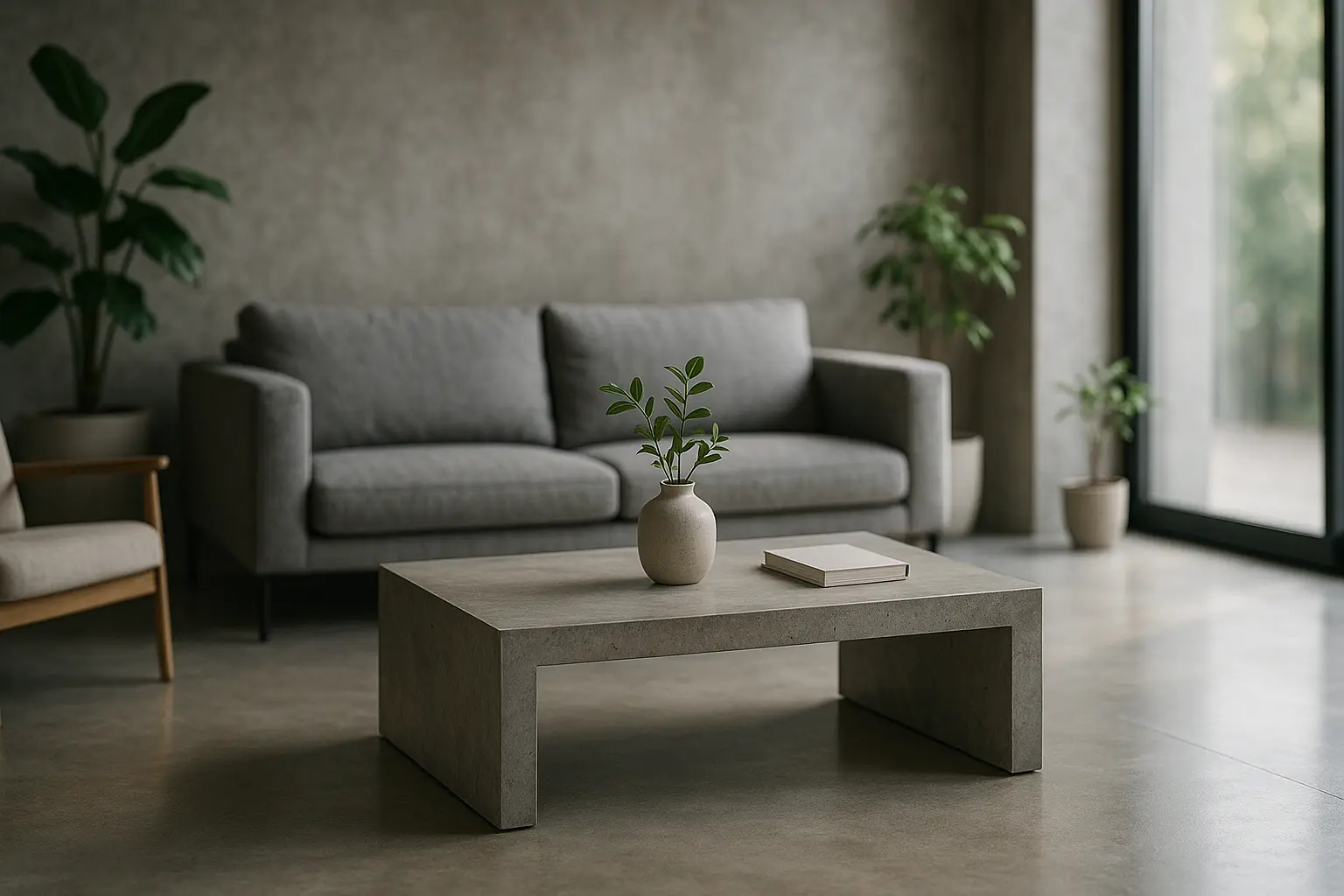
Furniture and Fixtures Imagine a concrete coffee table or a dining bench that seamlessly blends with the surroundings. The strength and stability of concrete make it ideal for crafting unique furniture pieces that can serve as both functional items and standout decor highlights. A polished concrete countertop in your kitchen can bring a touch of industrial charm, complemented by stainless steel appliances.
Decorative Accents Concrete can be molded into various shapes, allowing for innovative decorative accents. Think of minimalist lamps, planters, or even custom sculptures that can bring a modern edge to your space. These elements can introduce different textures and forms, enhancing the visual interplay within a room.
Integration with Natural Elements Concrete naturally pairs well with elements like wood and stone, creating a harmonious blend between the industrial and the organic. This synthesis can be particularly striking in spaces like bathrooms, where concrete sinks or bathtubs introduce a spa-like tranquility while maintaining a modern aesthetic.
Incorporating concrete elements into your designs is about challenging convention and embracing a material that offers endless potential for creativity and innovation. By doing so, we not only enhance our interiors but also invite uniqueness and individuality into our homes.
The Future of Interior Design with Concrete
As we look to the future, concrete continues to push the boundaries of design, offering new ways to reimagine our living spaces. This material‘s evolution from industrial roots to a staple of modern interior design is a testament to its adaptability and appeal.
Sustainability and Eco-friendliness With a growing emphasis on sustainable living, concrete is gaining attention for its environmental benefits. When sourced responsibly, it offers a long-lasting and eco-friendly solution that aligns with the principles of modern design. Recycled aggregates and innovations in production processes are paving the way for a greener tomorrow.
Technological Advancements Advancements in technology are revolutionizing the way we use concrete in our homes. From 3D printing to intricate mold castings, new techniques are unlocking possibilities that were once unimaginable. These innovations are allowing designers to experiment and create modern masterpieces that are both functional and breathtaking.
Timeless Appeal While trends may come and go, the understated elegance of concrete ensures its timeless appeal. Its ability to complement various styles—from industrial chic to minimalist modern—makes it a staple in contemporary design.
In embracing concrete, we embrace a future where design is not only about aesthetics but also about sustainability, innovation, and creating spaces that resonate with our personal values. As we continue to explore its potential, concrete promises to remain an integral part of the narrative of modern interior design.
In our exploration of concrete’s role in interior design, we’ve uncovered its profound ability to transform everyday spaces into modern sanctuaries. From polished walls to innovative furniture, concrete stands as a testament to the blend of beauty and functionality. As we continue this journey, let’s embrace concrete not just as a material, but as a canvas for creativity and a beacon for sustainable living. In doing so, we craft environments that are as enduring as they are captivating, marrying the modern with the timeless.
FAQ
What are the benefits of using concrete in interior design?
Concrete offers durability, versatility, and a sleek aesthetic that blends well with modern and minimalist styles. It can be molded into various shapes and finishes, providing a unique texture that complements other materials like wood or metal.
Can concrete be used for flooring inside a home?
Yes, concrete is a popular choice for flooring due to its resilience and ability to be polished for a smooth, shiny finish. It can be stained or dyed to match different color schemes, offering a wide range of decorative possibilities.
How can concrete be integrated into kitchen design?
Concrete can be utilized in kitchens as countertops, backsplashes, or even cabinet facades. It offers a sturdy and heat-resistant surface, ideal for food preparation areas, and can be customized to fit any kitchen layout.
What maintenance is required for indoor concrete surfaces?
Regular cleaning with a mild detergent and water is usually sufficient. Sealing the surface periodically helps protect against stains and scratches, maintaining its appearance over time. Avoid using harsh chemicals that might damage the finish.
Are there any creative ways to incorporate concrete in living spaces?
Concrete can be used for feature walls, fireplace surrounds, or as a base for custom furniture like tables and benches. Its adaptability allows for artistic expressions, such as inlays or imprinted designs, adding a personal touch to any room.