
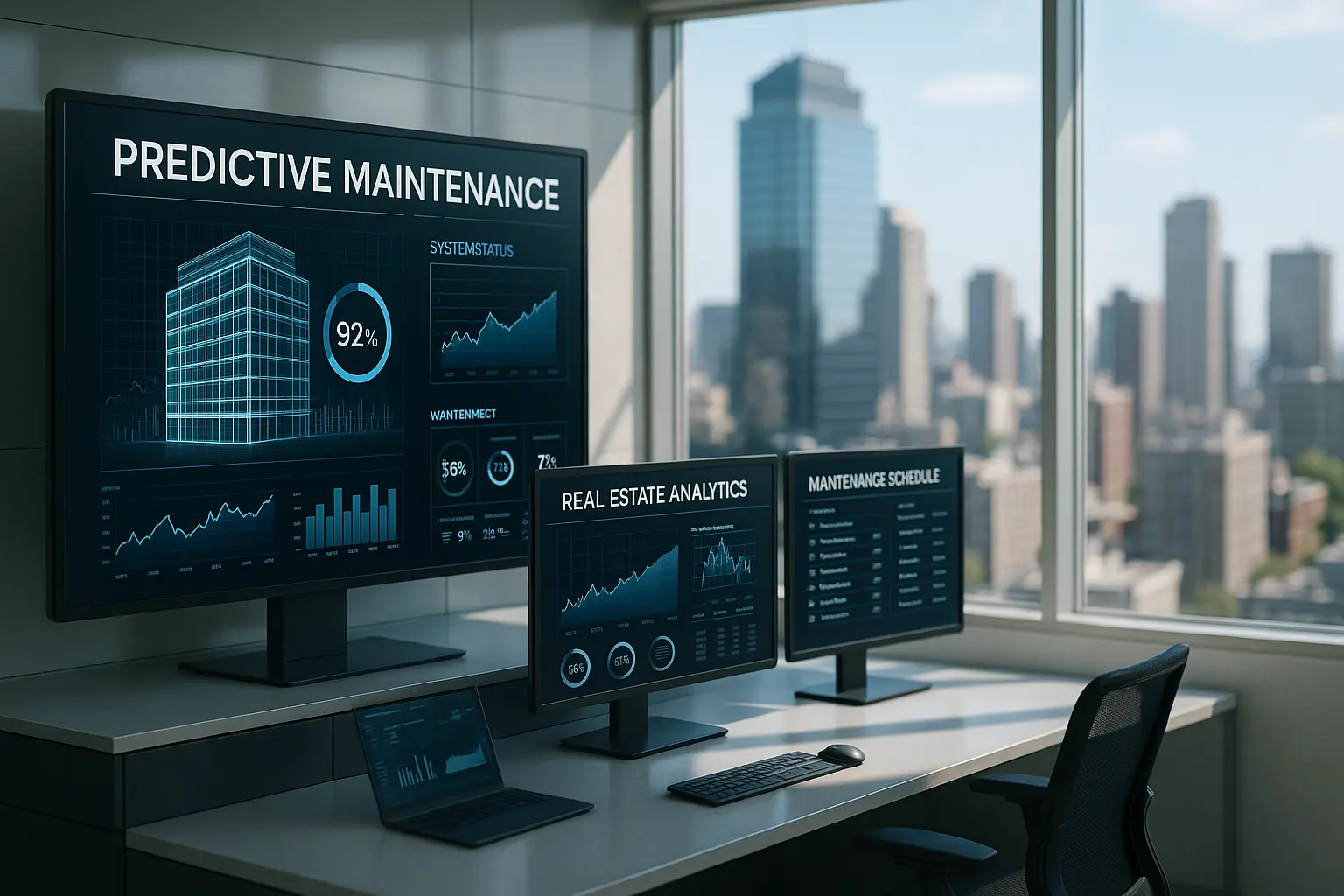
In the ever-evolving world of real estate, the quest for efficiency and cost optimization is unending. For property managers and owners, predictive maintenance technologies not only provide a new realm of possibilities but also transform how we manage our valuable assets. Today’s advancements in data analytics, software systems, and sensor technologies allow us to progress beyond traditional maintenance to more cost-effective and proactive strategies. As we explore this modern approach, we’ll delve into how these innovations can improve property management by reducing downtime and providing a seamless experience for all stakeholders.
Understanding Predictive Maintenance: A Modern Approach
With the increasing digitalization of the real estate sector, Predictive Maintenance stands as a game-changer. This approach utilizes data from sensors and analytics to forecast potential equipment failures and optimize maintenance schedules. Unlike reactive maintenance, which addresses issues post-failure, predictive maintenance anticipates problems, thus minimizing downtime and enhancing asset longevity.
Predictive maintenance systems gather real-time data from sensors embedded in various equipment and assets. This information is then analyzed using sophisticated software tools. By assessing data patterns and trends, these systems can alert property managers to impending issues before they manifest into significant problems. For instance, the vibration analysis of HVAC systems can detect early signs of failure, allowing preemptive action.
This forward-thinking method not only saves time but also cuts down on maintenance costs. By planning maintenance activities efficiently, property managers can optimize their resources and reduce unnecessary expenses. Moreover, the real-time data available from these systems provides insights that aid in strategic planning and asset management. This is crucial in an industry where maintaining the integrity and value of real estate holdings is paramount.
Integrating Predictive Maintenance Systems in Real Estate
The introduction of predictive maintenance in real estate requires strategic integration within existing property management processes. It involves the deployment of sensors throughout the property, the collection of data, and the application of analytics to forecast maintenance requirements.
One of the key steps is identifying critical assets that benefit most from predictive strategies. These typically include HVAC systems, elevators, and critical plumbing infrastructures. Once identified, the installation of sensors on these systems allows for continuous monitoring of performance metrics. Using this data, predictive algorithms can determine when maintenance should be conducted.
Implementing predictive maintenance also necessitates investment in the right software and tools. These platforms not only collate and analyze data but also generate insights for decision-makers. They provide dashboards that visualize real-time data trends, enabling on-the-fly adjustments and strategic planning.
Training property management teams to interpret and act on this data is equally important. By empowering teams with the right skills, we can ensure that predictive maintenance achieves its full potential, offering a seamless blend of technology and human oversight. In doing so, we foster a proactive culture that prizes efficiency and cost savings.
Overcoming Challenges: The Path to Successful Implementation
While the advantages of predictive maintenance are clear, successful integration requires overcoming distinct challenges. From initial cost investments to ensuring data accuracy and security, property managers must navigate a range of issues to fully harness this technology.
Initial Costs and Investments: Transitioning to predictive maintenance demands an upfront commitment. This includes purchasing sensors, investing in robust software, and possibly upgrading existing infrastructures. However, this should be seen as a long-term investment. The cost savings from reduced downtime and extended asset lifespan will typically offset initial expenses.
Data Accuracy and Security: With the influx of data, ensuring accuracy is paramount. Inaccurate readings can lead to unnecessary maintenance or overlooked failures. Establishing stringent data validation protocols and regular analysis can mitigate this risk. Furthermore, safeguarding data against breaches is essential, particularly given the sensitive nature of information related to real estate holdings.
Cultural Adoption and Training: A shift towards predictive maintenance also involves a cultural change within property management teams. Training staff to rely on data-driven insights and fostering a mindset that embraces technology is crucial. By encouraging a culture of innovation and adaptability, we can more effectively integrate predictive systems into existing workflows.
The Future of Real Estate Maintenance: Embracing Predictive Analytics
As we look toward the future, the role of predictive analytics in real estate maintenance is set to expand. This evolution will see an increase in data integration, resulting in more sophisticated software platforms and smarter asset management.
We anticipate a world where every aspect of property management is seamlessly interconnected, with predictive maintenance at its heart. Smart Buildings equipped with sensors will autonomously identify potential failures, communicating directly with management systems to schedule maintenance without human intervention.
Beyond operational efficiency, predictive analytics has the potential to influence property values. Buildings that leverage these technologies can offer reduced costs and enhanced reliability, making them more attractive to investors and tenants alike. Furthermore, as real estate regulations evolve, predictive maintenance can play a pivotal role in ensuring compliance with emerging standards.
Ultimately, adopting predictive analytics heralds a new era in real estate maintenance. By embracing these technologies, we can not only reduce costs and improve asset longevity but also drive innovation across the industry, creating smarter, more efficient environments for everyone.
In embracing predictive maintenance, we stand at the forefront of a transformative shift in Real Estate Management. By leveraging advanced data analytics, sophisticated software systems, and cutting-edge sensors, we can anticipate failures before they happen, optimizing costs and enhancing property value. The journey towards this future requires strategic investment, cultural adaptation, and a commitment to innovation, but the rewards – in savings, efficiency, and reliability – are substantial. As real estate continues to evolve, predictive maintenance will undoubtedly play a pivotal role in shaping smarter, more resilient properties, paving the way for a more sustainable and efficient industry.
FAQ
What is predictive maintenance in the context of real estate?
Predictive maintenance in real estate involves using data-driven insights to anticipate when building systems or equipment might fail. This proactive approach helps in scheduling timely maintenance, thus minimizing unexpected breakdowns and extending the lifespan of assets.
How does predictive maintenance benefit property management?
By implementing predictive maintenance, property managers can reduce the risk of sudden equipment failures that lead to costly repairs. It also helps in optimizing operational costs and improving tenant satisfaction by ensuring facilities are always in top working condition.
What technologies are commonly used in predictive maintenance for real estate?
Technologies such as IoT sensors, machine learning algorithms, and data analytics platforms are commonly employed. These tools collect real-time data on equipment performance, helping to predict potential issues before they escalate into significant problems.
Can predictive maintenance extend the lifespan of building systems?
Yes, by addressing issues before they lead to significant wear and tear, predictive maintenance can significantly prolong the lifespan of building systems. Regular maintenance based on data insights ensures that systems operate efficiently for a longer period.
What are the initial steps to implement predictive maintenance in a real estate setting?
To begin, property managers should assess existing equipment and systems to identify critical components. Next, integrate IoT devices to monitor these components, and establish a data analytics framework to interpret the data collected for actionable insights.