
In our fast-evolving digital age, where security is paramount, the need for a robust access control system has never been more apparent. Gone are the days when buildings relied solely on metal keys or rudimentary locks. Today, as commercial buildings burgeon in both size and complexity, so does the necessity for advanced security solutions. Welcome to the era of smart access control systems. These systems promise enhanced security, seamless entry, and efficient management of properties.
Let’s delve into the pivotal question: How do we choose the right smart access control system for our commercial buildings? With a myriad of options available and the dire importance of selecting the perfect fit, this decision cannot be rushed. Join us as we explore this intricate landscape, ensuring your business remains both secure and efficient.
Understanding the Basics of Smart Access Control Systems
Smart access control systems are the unsung heroes of modern businesses and commercial properties. They offer a digital solution to age-old security challenges, providing us with an efficient way to manage who comes and goes. But what exactly constitutes a smart access control system?
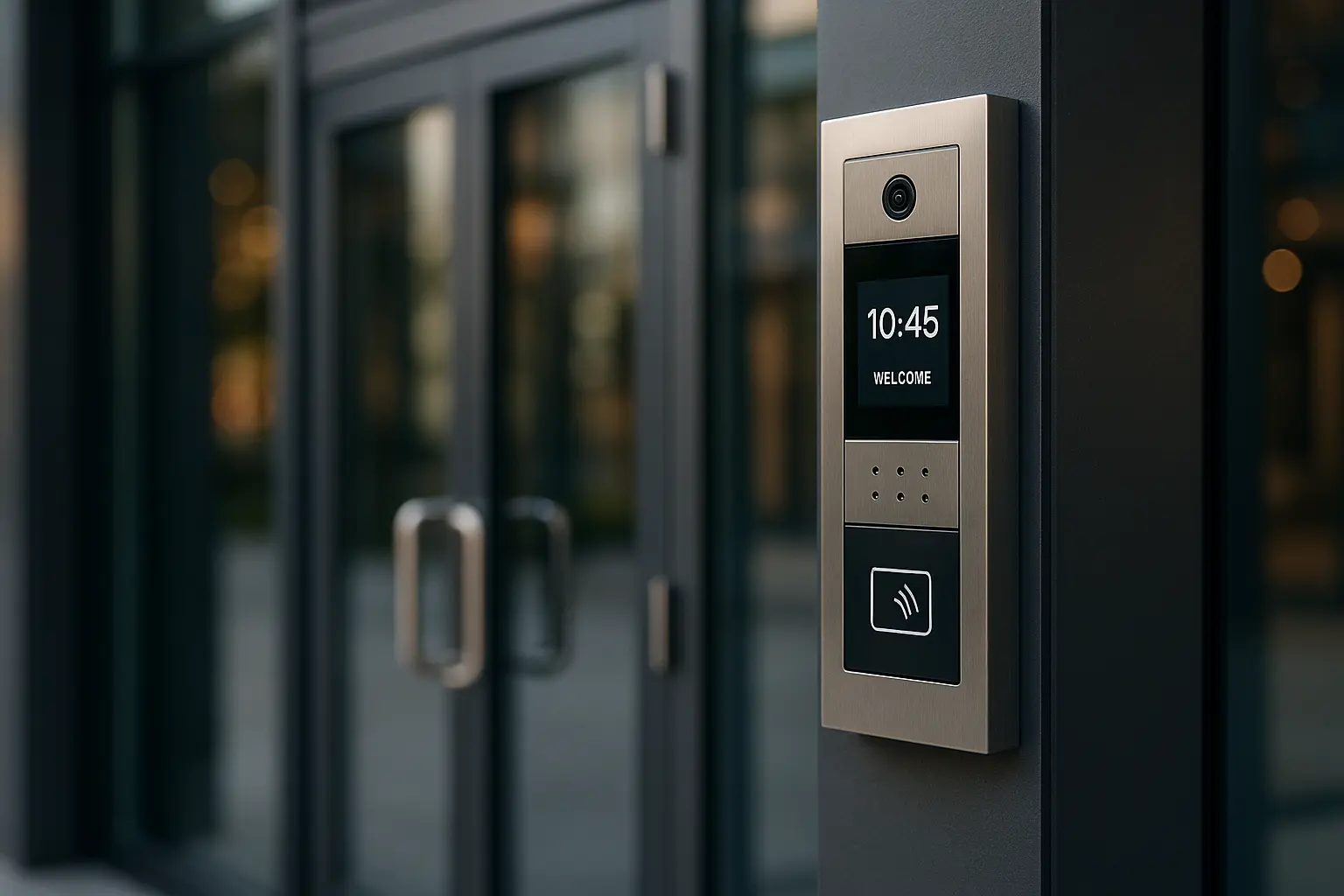
These systems primarily function by electronically controlling the entry points into a building. At their core, they revolve around four key components: door hardware, credential readers, access control panels, and management software. The integration of cloud-based technology further enhances their capabilities, allowing for real-time updates and monitoring.
By utilizing advanced credentials—such as smart cards, mobile keys, or even biometric data—these systems provide unparalleled control over who has access to specific areas within a property. They not only deter unauthorized entries but also provide invaluable data on entry patterns, enabling us to optimize security protocols and enhance operational efficiency.
One of the standout features of modern access control systems is their adaptability. They can seamlessly integrate with existing security infrastructure, offering scalability for growing businesses. This flexibility ensures that whether we manage a small office or a sprawling commercial complex, the system can evolve with our needs.
The Role of Cloud-Based Solutions in Modern Access Control
Cloud-based solutions are revolutionizing how we approach access control in commercial buildings. Cloud technology acts as the backbone for today’s most advanced security systems, offering a plethora of benefits that traditional solutions cannot match. As we explore this topic, we must understand the transformative impact of cloud-based access control systems.
Firstly, the cloud offers unparalleled management capabilities. We can now oversee multiple buildings or facilities from a single interface, regardless of geographical location. This centralized approach ensures that businesses can efficiently manage their security protocols across various sites, reducing the risk of human error and enhancing response times in case of a breach.
Secondly, cloud-based systems provide real-time updates and insights. Whether it’s monitoring who accessed which door at a specific time or identifying unusual activity, the cloud provides vital data at our fingertips. This real-time access to information ensures that we remain vigilant and can take swift action whenever necessary.
Finally, the integration of cloud solutions facilitates seamless upgrades and scalability. As our business grows, so too can our access control system. The ease with which updates and new features can be deployed ensures that our security system remains at the cutting edge, adapting to emerging threats and technological advancements.
Security and Management: The Dual Pillars of Access Control
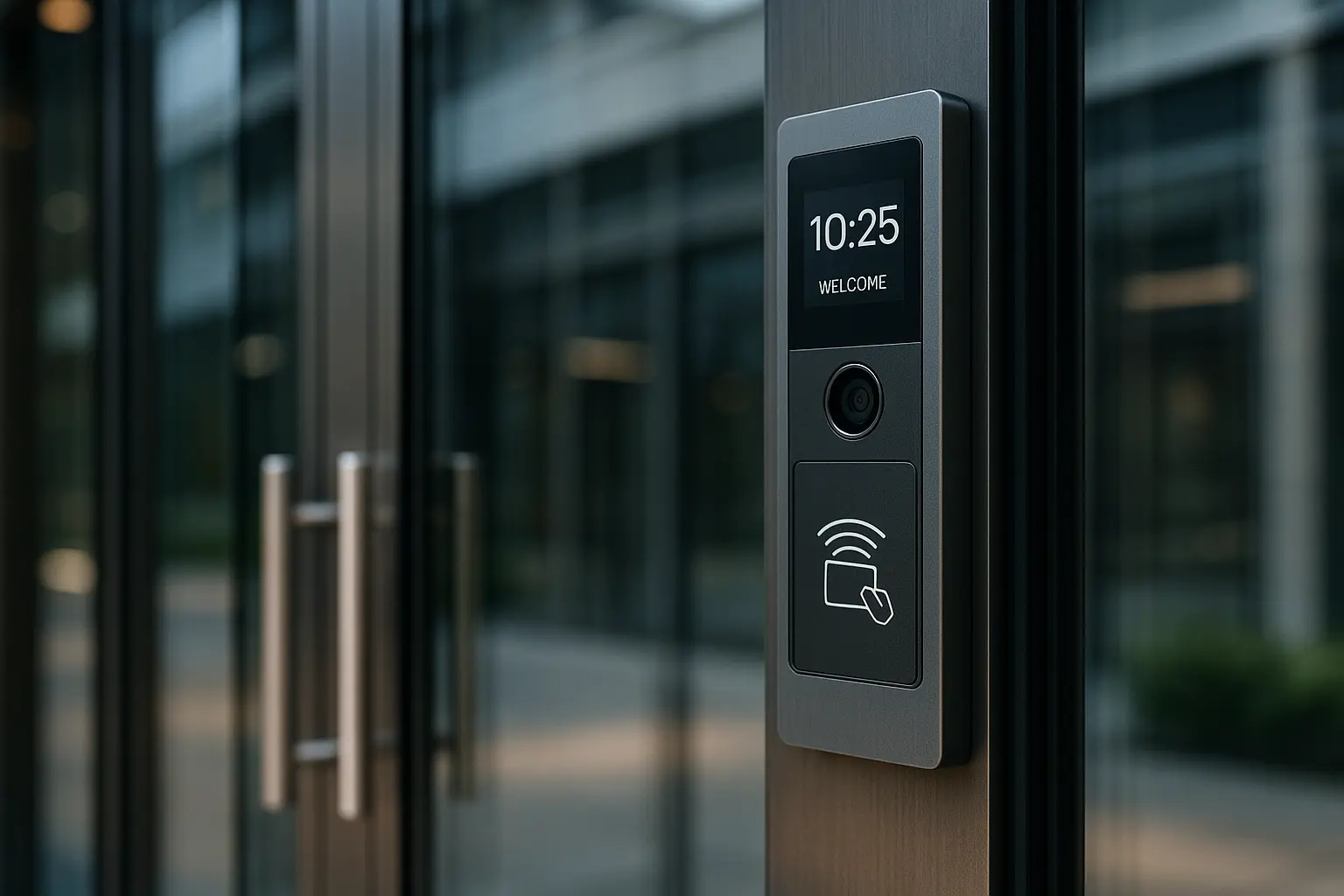
The essence of any access control system lies in its ability to offer robust security while facilitating efficient management of a property. As we navigate the realm of modern access systems, we need to appreciate the synergy between these two critical aspects.
Security, undoubtedly, is the primary objective of any access control system. By employing advanced credentials and tech-driven solutions, these systems are adept at preventing unauthorized entries and potential threats. The fusion of technologies such as biometric recognition, smart cards, and mobile keys ensures that each entry point is fortified against breaches. However, security does not operate in isolation.
Management, the often-overlooked counterpart, is equally vital. An efficient management system ensures that businesses can control access privileges with precision and ease. The ability to deactivate lost or stolen credentials instantly, generate detailed access logs, and assign varying access levels to different employees fosters an environment of trust and accountability.
Moreover, the management aspect allows for seamless integration with other building systems, such as HVAC and lighting. By creating a holistic ecosystem, we not only enhance security but also optimize energy usage and reduce operational costs, making our buildings more sustainable and efficient.
Choosing the Right System for Your Business Needs
As we stand on the cusp of implementing access control systems for our commercial buildings, the question remains: which system is right for us? With a plethora of options, making an informed choice is paramount to ensuring our business‘s security and operational efficiency.
Firstly, we must assess our specific needs. Considerations such as the size of the building, the number of entry points, and the level of security required are fundamental in narrowing down our options. A small office may require a simple key card system, while a larger facility might benefit from biometric solutions.
Next, budget constraints play a critical role. While investing in an advanced system may seem daunting initially, it’s crucial to weigh the long-term benefits against the costs. Remember, security breaches can result in significant losses, both financially and reputationally. Thus, investing in a reliable system can save us substantial costs and headaches in the future.
Another factor to consider is the potential for integration with existing systems. A seamless integration not only enhances security but also simplifies its management, allowing us to focus on core business operations rather than technical glitches.
Lastly, scalability and future-proofing our business should not be overlooked. As our business expands, our security needs will evolve. Choosing a system that can grow with us, incorporating new technologies without requiring a complete overhaul, is essential for sustainable growth.
Choosing the right access control system for our commercial building is more than a mere decision—it’s an investment in our future. As we transition into an era defined by digital solutions and smart technologies, securing our business premises becomes a top priority.
By understanding the nuances of modern access control systems, leveraging the power of cloud technology, and recognizing the synergy between security and management, we are equipped to make informed decisions. As we embrace this new landscape, we ensure that our businesses remain secure, efficient, and ready for whatever challenges lie ahead.
In the end, it is not just about keeping intruders out but about welcoming innovation in. With the right system in place, our buildings become bastions of safety and hubs of productivity, securing not just our property, but also our peace of mind.
FAQ
What are the key features to consider when selecting a smart access control system for a commercial building?
When choosing a smart access control system for a commercial building, consider features like scalability, integration capabilities with existing systems, biometric options, remote management, and user-friendly interfaces. Ensure it offers robust security protocols and regular software updates to protect against vulnerabilities.
How does a smart access control system improve the security of a commercial building?
Smart access control systems enhance security by allowing only authorized personnel to access specific areas, reducing the risk of unauthorized entry. They provide real-time monitoring, detailed access logs, and can be integrated with other security systems like CCTV for comprehensive protection.
Can a smart access control system be integrated with other building management systems?
Yes, many smart access control systems are designed to seamlessly integrate with other building management systems such as HVAC, lighting, and fire alarm systems. This integration enables centralized control and monitoring, improving efficiency and response times in emergencies.
What are the benefits of using a biometric access control system in a commercial setting?
Biometric access control systems offer enhanced security by using unique physical characteristics, such as fingerprints or facial recognition, for identification. They reduce the risk of lost or stolen credentials and offer a more convenient and efficient way for users to gain access compared to traditional keycards.
How can businesses ensure the privacy and security of data collected by smart access control systems?
To safeguard data privacy and security in smart access control systems, businesses should employ encryption for data transmission, regular software updates, and access controls for system management. Additionally, establishing clear data retention and deletion policies can help protect user information.